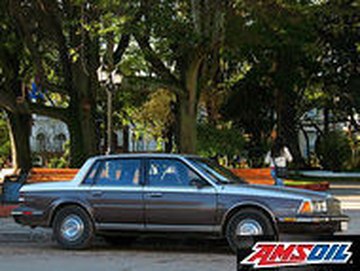
Engine Lubrication Care for the 1983 Buick CENTURY 2.8L
Maintaining the lubrication system of a 1983 Buick Century with the 2.8L engine requires consistent attention to fluid condition and component integrity. As vehicles age, the methods used to monitor and manage engine health become increasingly important for ensuring continued operation. Proper oil maintenance is not merely about periodic changes; it involves a comprehensive understanding of how fluids interact with the engine components over time.
Monitoring Fluid Condition and Potential Leaks
One of the most effective ways to monitor the health of the 2.8L engine is through regular visual inspections. Owners should look for any signs of fluid seepage or active leaks around the engine block and associated sealing surfaces. While some degree of minor seepage can occur as gaskets and seals age, significant or active leaks warrant immediate investigation.
When performing a routine inspection, consider the following:
- Surface Seepage: Check for oily residue on the exterior of the engine that may indicate aging gaskets.
- Puddle Identification: Regularly inspect the ground beneath where the vehicle is parked to identify any unexpected fluid loss.
- Fluid Appearance: If the oil level is checked, observe the color and texture of the lubricant. Significant discoloration or a gritty texture can be an indicator of contamination or extreme thermal breakdown.
It is important to note that various symptoms, such as an unusual odor or visible fluid on engine components, can have multiple underlying causes. A professional inspection is often necessary to accurately identify whether a leak is originating from a specific seal or another component.
Managing Maintenance Records and Service History
For long-term ownership of a 1983 Buick Century, establishing a clear maintenance baseline is highly beneficial. If the previous service history of the vehicle is unknown, the first priority should be to document all current fluid levels, filter conditions, and any observed mechanical behaviors. This creates a reference point that allows you to notice changes over time.
Maintaining a detailed log of when oil was changed, which products were used, and any repairs performed helps in distinguishing between normal aging and developing issues. For example, if you notice an increase in lubricant consumption, having a record of previous levels can help determine how quickly the change is occurring. Consistent record-keeping also assists in prioritizing future maintenance tasks, ensuring that active concerns are addressed before they escalate.
Observing Potential Warning Signs
While many issues can be caught during routine inspections, certain symptoms serve as important indicators that the lubrication system or engine requires closer attention. These signs do not always point to a single specific failure, but they should never be ignored.
Changes in how the engine operates can often be linked to lubrication quality. If you notice unusual mechanical noises during startup or while idling, it may indicate that the lubricant is not reaching all necessary areas effectively or that its viscosity has changed due to contamination. Additionally, any sudden changes in the appearance of exhaust gases should be investigated, as they can sometimes be associated with internal engine conditions.
If a warning indicator appears on the dashboard related to oil levels or pressure, this requires immediate investigation. Such indicators are critical signals that the system is not operating within its intended parameters and could lead to further complications if left unaddressed.
Age-Related Inspection Priorities
As a vehicle from the early 1980s continues to operate, certain components may require more frequent monitoring due to the natural effects of time and heat cycles. Rather than assuming parts must be replaced based solely on age, maintenance should be driven by the actual condition of the materials.
Inspectors should pay close attention to any rubber or composite components that are exposed to engine heat. If equipped, accessible drive belts should be checked for signs of cracking, glazing, or fraying. Similarly, if the vehicle is equipped with various hoses, they should be examined for brittleness, swelling, or soft spots. Checking electrical connections and wiring harnesses for signs of corrosion or insulation degradation is also a prudent step in ensuring the engine's electronic and ignition systems remain reliable.
Furthermore, checking the condition of the air filtration system is essential. A restricted air intake can affect how the engine breathes and may influence overall engine performance and cleanliness. By focusing on the current state of these components, owners can make informed decisions about whether to perform preventive maintenance or simply continue monitoring.
Effective Lubrication Strategies
The effectiveness of an engine's lubrication system depends heavily on using a lubricant that meets the specific needs of the application. Modern lubricant technology offers various formulations, including conventional oils, synthetic blends, and full synthetic options. Some high-mileage oil formulations contain additives intended for use in aging engines, such as seal-conditioning agents that may help maintain the integrity of older gaskets.
When selecting a product, it is important to consider factors like thermal stability and the ability to control deposits. While synthetic oils often provide enhanced resistance to oxidation and better performance during cold starts, the most important factor is ensuring the lubricant matches the specific requirements of the 2.8L engine as outlined in the vehicle's technical documentation.
Buying Engine Oil for your 1983 Buick CENTURY 2.8L
When you are ready to purchase new lubricant, do not rely on general automotive knowledge or assumptions based on the vehicle's age to select a grade. Instead, match the engine oil to the application-specific viscosity information already displayed on this page. It is vital to verify that any product you choose meets the appropriate API certification standards for the intended use.
Before completing your purchase, carefully check the product labeling to ensure it aligns with the requirements listed in your vehicle's documentation. Whether you decide on a conventional oil or a high-mileage formulation, the priority must always be the specific viscosity and quality standards identified for this 1983 Buick Century 2.8L application.